How does insurance claim guide actually happen?
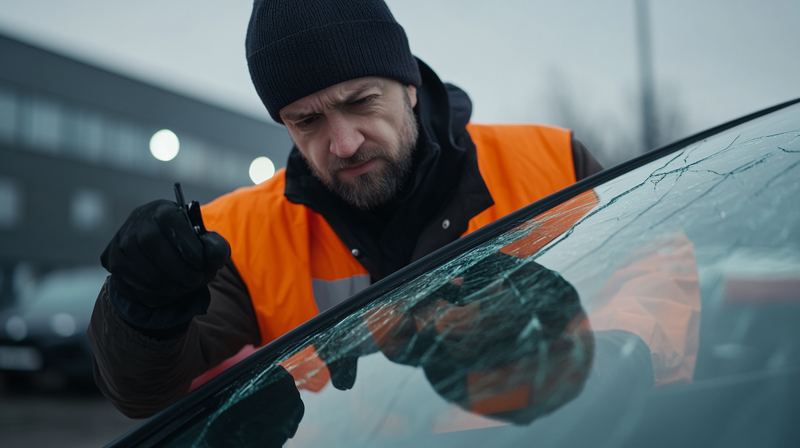
The real flow: damage happens; you (or the glass tech, with you on the line) call the insurer’s glass line; the claim is confirmed against your comprehensive coverage; the shop bills the insurer directly; you pay your deductible if one applies. Two facts insurers and marketers both underplay: chip repairs are frequently deductible-free even in normal states (insurers prefer funding repairs to replacements), and steering — the gentle push toward a network shop — is exactly that, gentle: your right to choose the installer is yours in every state. In zero-deductible states, beware the inverted hustle: anyone offering cash incentives to file glass claims is exactly the actor the 2023 Florida reforms existed to stop.
Repair or replace — where is the honest line?
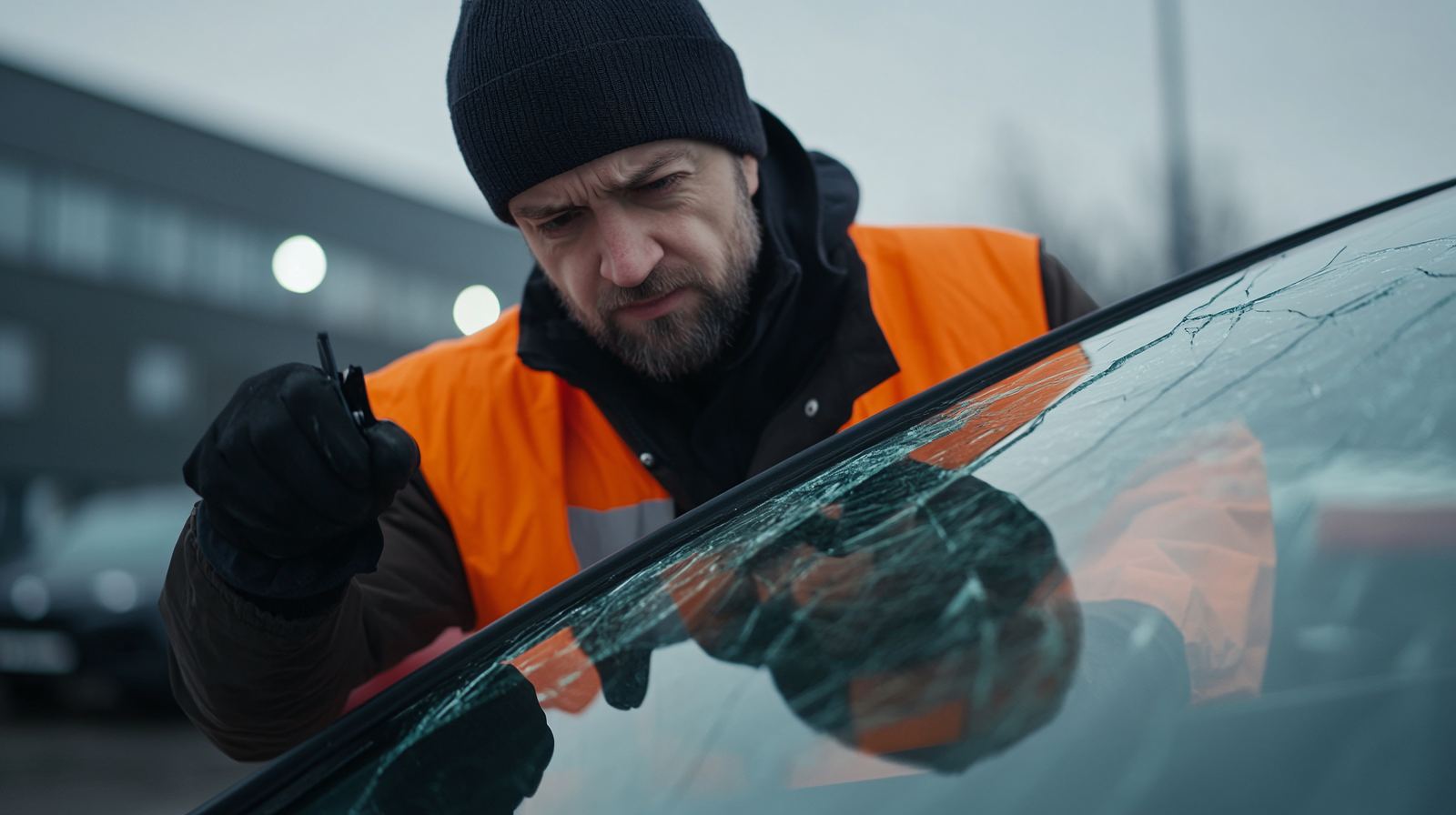
Claim-worthy: replacements, and repairs where your insurer waives the deductible (ask — most do). Cash-worthy: repairs cheaper than your deductible when no waiver applies. The technician runs both numbers with you before filing anything.
Three ways this job goes wrong (and how pros avoid them)
When is it urgent?
Insurance urgency is evidence: photograph damage when it happens, note the date and cause, and file promptly — aged, undocumented damage invites coverage questions that fresh claims never face.
Questions drivers ask about insurance claim guide
Which states have zero-deductible windshield laws?
Kentucky (KRS 304.20-060 — all auto glass, repair and replacement), Florida (§627.7288 — windshields under comprehensive), and South Carolina. Arizona requires insurers to offer full-glass coverage as an option. Everywhere else, your comprehensive deductible applies as written.
Does a windshield claim raise my insurance rates?
Comprehensive claims are treated as not-at-fault events; a single glass claim rarely moves premiums, unlike accidents. Carriers differ on claim frequency, so serial glass claims are worth an agent conversation — but fear of one honest claim is mostly marketing fog.
Can my insurer force me to use their glass network?
No — shop choice is the policyholder’s in every state. Networks are convenient and often fine; they are not mandatory, and “we can’t guarantee non-network work” scripts are steering, not statute.
Is ADAS recalibration covered in a glass claim?
Routinely yes — restoring the vehicle to pre-loss condition includes the calibration the replacement requires. It should appear on the same claim and invoice; a shop that defers it is leaving your claim — and your safety systems — incomplete.
How do I find insurance claim guide near me?
Call (866) 857-5075 — WindshieldHawk connects you free with an independent licensed technician serving your ZIP code who handles insurance claim guide, usually with mobile service to your home or workplace.
What determines the cost of insurance claim guide?
We publish no prices because the licensed technician sets them for your exact vehicle. The honest factors: glass or parts required, embedded technology and recalibration needs, mobile versus shop service, and how your insurance applies — including zero-deductible glass laws in Kentucky and Florida. The referral call is free.
Is cheap insurance claim guide ever a good idea?
Affordable, yes; corner-cutting, no. Quality parts installed by a licensed tech with proper materials and any required recalibration is the honest budget path. A rock-bottom quote that skips steps is a safety defect wearing a discount sticker.
Why does licensed and insured matter for this work?
Auto glass is safety equipment — windshields carry airbag load and roof strength, and door glass guards the cabin. Licensing and insurance are the baseline signals the person doing the work stands behind it, and every technician in our network carries both.
One free call, one licensed local pro
Describe the damage and get connected — the technician quotes it straight and usually comes to you.
☎ (866) 857-5075